
In the In the search for efficient temperature regulation, Water Cooled Chiller Manufacturer and Air Cooled Water Chiller systems plays an important roles in different industries. These advanced cooling technologies are fundamental to maintaining optimal conditions in settings ranging from industrial plants to commercial buildings. The importance of these systems cannot be overstated as they directly impact productivity, energy consumption, and environmental maintainability.for efficient temperature regulation, Water Cooled Chiller Manufacturer and Air Cooled Water Chiller systems plays an important roles in different industries. These advanced cooling technologies are esential to maintaining optimal conditions in settings ranging from industrial plants to commercial buildings. The importance of these systems cannot be overdo as they directly impact productivity, energy consumption, and environmental maintainability.
The Basics of Chiller Systems
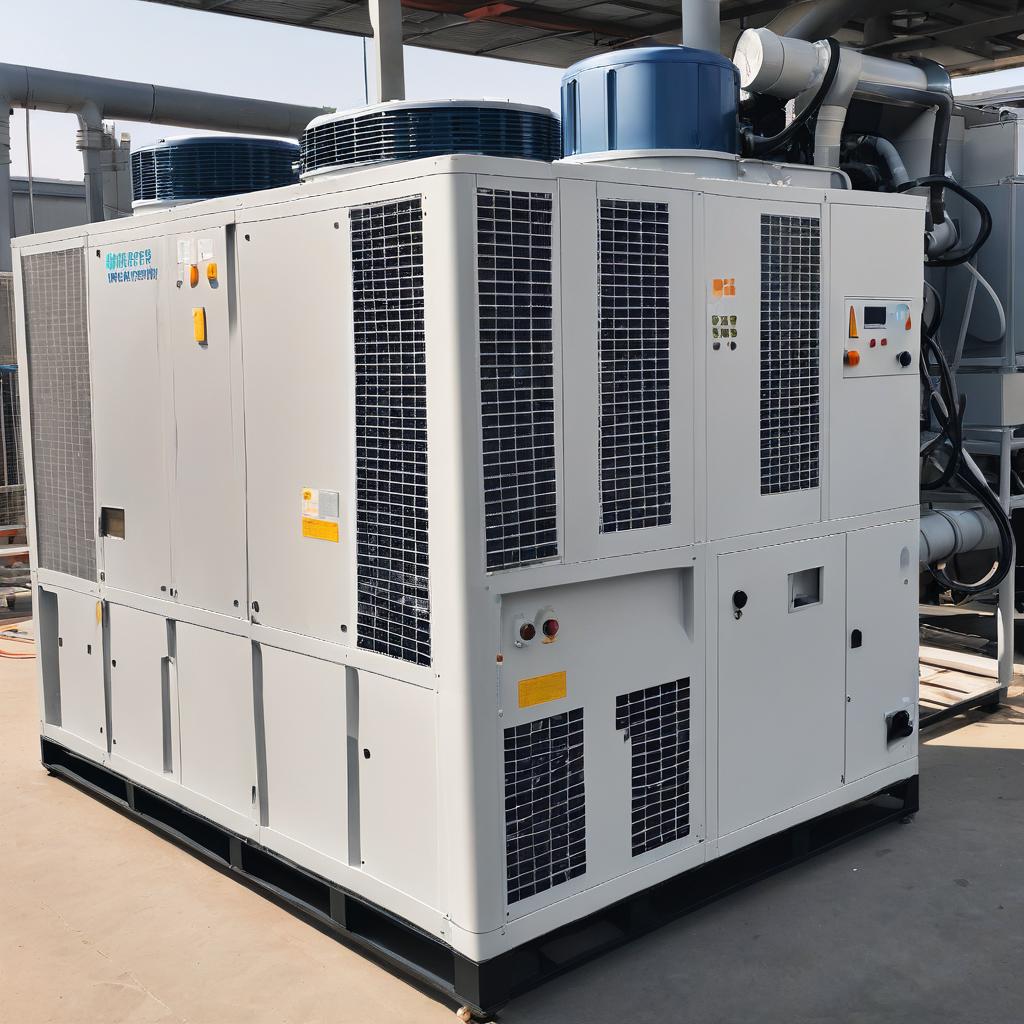
Chillers are cooling systems that remove heat from a liquid via a vapor-compression or absorption refrigeration cycle. This cooled liquid can then be circulated through a heat exchanger to cool equipment or an entire building. The two primary types of chillers, Water Cooled Chiller Manufacturer and Air Cooled Water Chiller, differ mainly in their methods of heat rejection.
Water Cooled Chillers
Water Cooled Chiller Manufacturer systems typically use a cooling tower to disappear heat. These systems are known for their efficiency and reliability, especially in large-scale operations. The cooling process involves transferring heat from the refrigerant to the water, which is then circulated through the cooling tower where it releases the heat into the atmosphere.Air Cooled Water Chillers
Air Cooled Water Chillers
On the other hand, an Air Cooled Water Chiller uses air to vanish heat. These chillers are generally easier to install and maintain because they do not require a cooling tower. The heat is transferred from the refrigerant to the air, which is then expelled into the atmosphere. This type of chiller is ideal for smaller applications or locations where water resources are limited.
Comparing Efficiency and Costs
When comparing Water Cooled Chiller Manufacturer and Air Cooled Water Chiller systems, efficiency and cost are two complicated factors. Water Cooled Chiller Manufacturer systems are often more systematic because water is a better conductor of heat than air. This higher efficiency translates to lower operating costs over time, making them a preferred choice for large facilities.
However, the first installation costs for a Water Cooled Chiller Manufacturer system can be higher due to the need for additional components such as cooling towers, water pumps, and piping systems. Maintenance can also be more complex and costly. Conversely, an Air Cooled Water Chiller has a simpler installation process and lower upfront costs, but it may have higher operating costs due to lower efficiency compared to water-cooled systems.
Environmental Impact
The environmental impact of chiller systems is another important thought. Water Cooled Chiller Manufacturer systems typically have a smaller carbon footprint compared to Air Cooled Water Chiller systems, mainly because of their higher efficiency. By consuming less energy to achieve the same cooling effect, they reduce greenhouse gas emissions. However, water consumption and the potential for water contamination are concerns that need to be managed effectively.
Innovations in Chiller Technology
Advancements in chiller technology are continuously improving the performance and maintainability of both Water Cooled Chiller Manufacturer and Air Cooled Water Chiller systems. creativity such as changeable speed drives, advanced controls, and high-efficiency heat exchangers are increasing the efficiency and reducing the environmental impact of these systems.
For example, variable speed drives allow chillers to operate at real speeds under different load conditions, reducing energy consumption. Advanced control systems can optimize the operation of chillers by adjusting parameters in real-time based on demand. High-efficiency heat exchangers improve the transfer of heat, further boosting the overall performance of the chiller systems.
Conclusion
In conclusion, both Water Cooled Chiller Manufacturer and Air Cooled Water Chiller systems play an important roles in different applications, each with its own set of advantages and challenges. Water Cooled Chiller Manufacturer systems provides higher efficiency and lower operating costs, making them suitable for large-scale operations. In contrast, Air Cooled Water Chiller systems provide a simpler and more cost-effective solution for smaller applications or locations with limited water resources. As technology continues to advance, both types of chillers are becoming more efficient and environmentally friendly, contributing to maintainable cooling solutions across industries. The choice between the two depends on specific needs, cost considerations, and environmental factors, making it essential for businesses to evaluate their requirements carefully before deciding on the appropriate chiller system.
 Earth Cooling System