
Overview
The Earth Cooling System is a cutting-edge technological advancement in the search for economical and environmentally friendly cooling solutions. This system minimizes its impact on the environment while maximizing cooling through the utilization of natural resources. The water cooled chiller systems and air cooled water chillers are essential components of the Earth Cooling System. These technologies are vital parts of contemporary cooling infrastructures because they have clear benefits and uses.
An Understanding of Water Chillers Cooled by Air
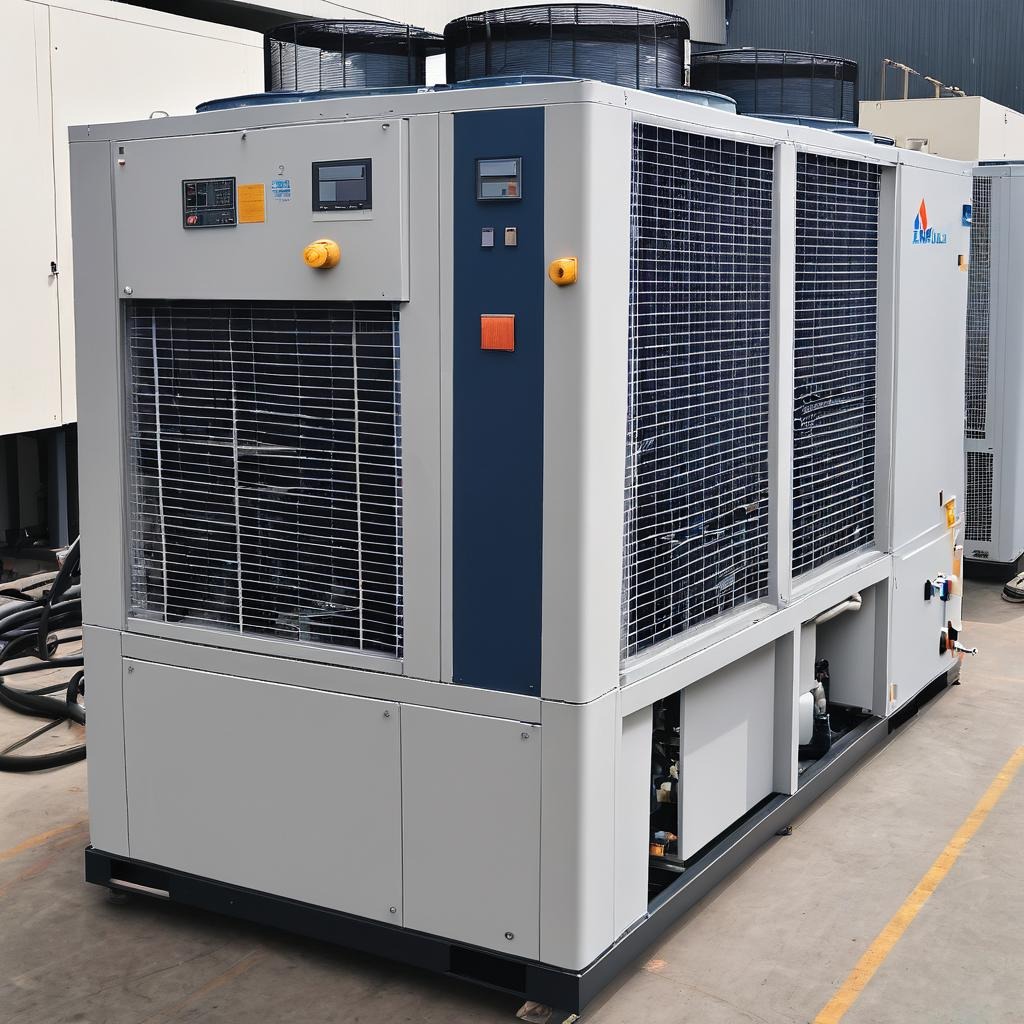
The Operation of Air-Cooled Water Chillers
The way air cooled water chillers** work is by releasing heat into the surrounding air. Usually, these systems use a refrigerant cycle to transfer heat from the water to the air. An evaporator, compressor, condenser, and expansion valve are all part of the heat exchange process, which guarantees effective cooling.
Benefits of Air Cooled Water Chillers
The simplicity and ease of installation of air cooled water chillers is one of its main benefits. They are perfect for places where there is a shortage of water because they don’t need a cooling tower or other water sources. In addition, compared to their water-cooled equivalents, these chillers are typically more compact and require less maintenance.
The uses of water chillers that are air-cooled
Air cooled water chillers are extensively utilized in a wide range of settings, such as data centers, commercial buildings, and industrial operations. These units are appropriate for both small- and large-scale cooling needs because to their efficiency and adaptability. Furthermore, they are especially helpful in areas where conserving water is a top concern.
Examining Chiller Systems Cooled by Water
The Operation of Water Cooled Chiller Systems
Water is used in water cooled chiller systems to absorb and release heat. Water circulates in a closed-loop cycle between a cooling tower and a chiller in these systems. In order to maintain constant cooling, heat from the water is extracted by the chiller and then released into the atmosphere via the cooling tower.
Advantages of Water Cooled Chiller Systems
Water cooled chiller systems have more cooling capacity and are more energy efficient. These are just two benefits. They are perfect for buildings with significant cooling requirements since they can handle heavier loads. These systems also often have lower running costs over time and a longer service life.
Applications of Water Cooled Chiller Systems
The versatility of water cooled chiller systems makes them suitable for a wide range of applications, from large commercial complexes to industrial manufacturing plants. These systems are particularly advantageous in areas with abundant water resources, as they rely on a continuous water supply for optimal performance.
Comparing Air Cooled and Water Cooled Chillers
- Efficiency and Performance
When comparing air cooled water chillers and water cooled chiller systems, efficiency and performance are key considerations. While water cooled chiller systems typically offer higher efficiency due to the superior heat transfer properties of water, air cooled water chillers provide a viable alternative for settings where water use is restricted.
- Installation and Maintenance
Air cooled water chillers are generally easier to install and maintain, requiring less infrastructure and fewer resources. In contrast, water cooled chiller systems necessitate a cooling tower, additional piping, and regular maintenance of the water loop to prevent scaling and corrosion.
- Environmental Impact
Both air cooled water chillers and water cooled chiller systems have environmental implications. Air cooled water chillers are more suitable for areas with water scarcity, as they do not consume water for cooling. On the other hand, water cooled chiller systems are more energy-efficient, potentially reducing greenhouse gas emissions associated with power consumption.
Choosing the Right Chiller for Your Needs
Understanding Your Needs for Cooling
The decision between water cooled chiller systems and air cooled water chillers is influenced by a number of variables, such as your particular cooling requirements, the resources you have at your disposal, and the environment. Making an informed choice requires evaluating the cooling demand, facility size, and local climate conditions.
Expense Factors
When selecting the ideal chiller, initial expenditures, ongoing costs, and long-term savings are all important considerations. Water cooled chiller systems frequently give better long-term savings through increased efficiency and lower energy usage, even though air cooled water chillers may have cheaper upfront costs and simpler installation.
Regulatory and Environmental Factors
Air cooled water chillers might be the best option in areas with stringent water consumption laws or environmental sustainability objectives. On the other hand, where energy efficiency is critical, water cooled chiller systems can provide significant benefits.
Case Studies: Successful Implementations
Commercial Building in a Water-Scarce Region
Air cooled water chillers were successfully installed by a commercial building in a water-scarce locale to suit its cooling needs. In keeping with the building’s environmental objectives, the system’s low water requirements and ease of maintenance guaranteed dependable performance.
High-Requirement Industrial Cooling System
Water cooled chiller systems were chosen by an industrial site with a significant cooling demand. Due to the system’s exceptional efficiency and ability to manage heavy cooling loads, considerable energy savings and increased operational effectiveness were achieved, highlighting the benefits of this technology in demanding settings.
Future Trends in Cooling Technologies
Innovations in Chiller Design
Both water cooled chiller systems and air cooled water chillers will continue to evolve in the future of cooling technology. Technological developments in heat exchangers, control systems, and refrigerants will lower environmental impact, increase efficiency, and provide more environmentally friendly cooling options.
Using Renewable Energy with Integration
An increasing trend is the integration of renewable energy sources, such as solar and wind power, with air cooled water chillers and water cooled chiller systems. This strategy encourages the use of clean energy for a more environmentally friendly future in addition to lowering the carbon footprint of cooling systems.
Smart Cooling Systems
The industry will undergo a transformation with the introduction of IoT and AI technology in smart cooling systems. The air cooled water chillers and water cooled chiller systems can both benefit from these systems’ abilities to maximize efficiency and dependability through performance optimization, maintenance demand prediction, and real-time setting adjustments.
Conclusion
An effective and sustainable answer to today’s cooling requirements is provided by the Earth Cooling System. Via water cooled chiller systems or air cooled water chillers, these technologies offer dependable and adaptable solutions for a range of uses. You may obtain optimal cooling performance while minimizing environmental effect by making informed judgments by being aware of the advantages and considerations of each system. The future of cooling is bright, with increased sustainability and efficiency at the forefront as innovations propel the sector forward.
 Earth Cooling System