
In our search to mitigate the impacts of climate change and global warming, advanced cooling technologies plays an important role. in between of these technologies, Air Cooled Water Chiller and Water Cooled Chiller System stand out as important components in the world of industrial and commercial cooling solutions. These systems are not only important for maintaining real temperatures in different settings but also contribute crucially to energy efficiency and maintainable efforts. This blog goes deep into the workings, benefits, and applications of these two chiller systems, exploring how they are essential to earth cooling strategies.
Understanding Chiller Systems
What is an Air Cooled Water Chiller?
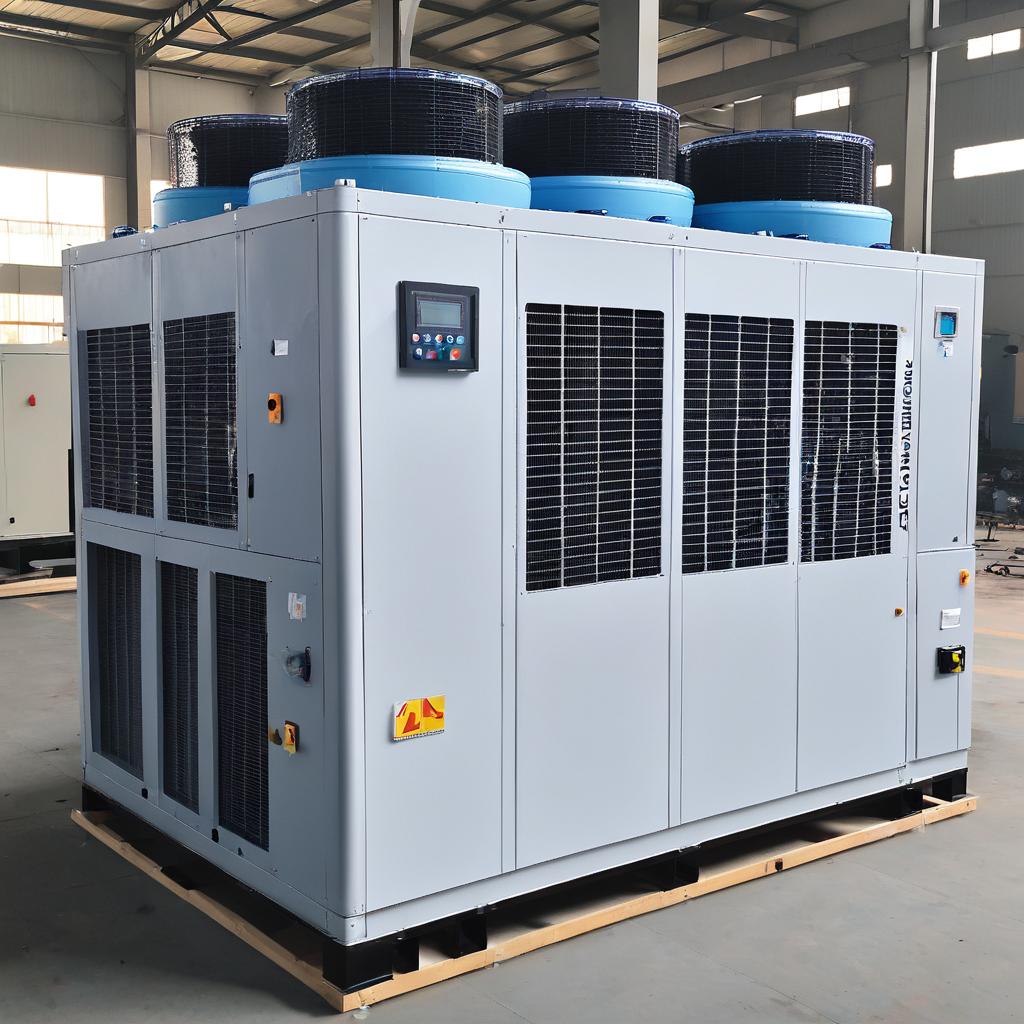
An Air Cooled Water Chiller operates by using air to disappear heat from the refrigerant, which in turn cools the water. This system consist of a refrigerant circuit, an air-cooled condenser, and an evaporator. The refrigerant absorbs heat from the water in the evaporator and then releases it to the air through the condenser. This process makes it ideal for environments where water conservation is evaluative, and it’s often used in places where water availability is limited.
What is a Water Cooled Chiller System?
A Water Cooled Chiller System, on the other hand, uses water to dissolve the heat from the refrigerant. It involves a water-cooled condenser, which transfers heat from the refrigerant to the cooling tower water. This system is generally more efficient than air-cooled systems due to the higher heat capacity of water. It’s commonly used in larger facilities where high cooling loads are required, such as in industrial plants, hospitals, and large commercial buildings.
Advantages of Air Cooled Water Chillers
Efficiency and Environmental Impact
One of the main advantages of the Air Cooled Water Chiller is its efficiency in areas with limited water resources. Since it doesn’t depend on water for cooling, it helps conserve this precious resource. Moreover, these systems are relatively easier to install and maintain, making them a cost-effective option for many businesses. The reduction in water usage also translates to a lower environmental impact, aligning with broader earth cooling and maintainability goals.
Versatility and Flexibility
Air Cooled Water Chiller systems are highly flexible and can be used in different applications, from small office buildings to large industrial facilities. Their design allows for easy integration into existing HVAC systems, providing flexibility in installation and operation. Additionally, advancements in technology have led to the development of more compact and energy-efficient air-cooled chillers, further increasing their appeal.
Advantages of Water Cooled Chiller Systems
Superior Efficiency and Performance
The Water Cooled Chiller System is famous for its superior efficiency and performance, particularly in settings with high cooling demands. The use of water as a cooling medium allows these systems to achieve higher efficiency rates compared to air-cooled systems. This efficiency translates to lower energy consumption and reduced operational costs, making them an attractive option for large-scale applications.
Longevity and Reliability
Another major benefit of the Water Cooled Chiller System is its longevity and reliability. These systems are designed to handle large cooling loads continuously, making them ideal for critical applications such as data centers, hospitals, and manufacturing plants. The use of water as a cooling medium also reduces the wear and tear on system components, leading to longer lifespans and fewer maintenance issues.
Applications of Air Cooled Water Chillers and Water Cooled Chiller Systems
Commercial and Residential Buildings
Both Air Cooled Water Chiller and Water Cooled Chiller System are largely used in commercial and residential buildings to maintain comfortable indoor temperatures. The choice between the two often depends on the specific requirements and constraints of the building. For instance, air-cooled chillers are typically preferred in smaller buildings with limited space for cooling towers, while water-cooled systems are more suitable for larger buildings with higher cooling demands.
Industrial and Manufacturing Facilities
In industrial and manufacturing facilities, maintaining accurate temperature control is imporatnt for makes sure that the product quality and operational efficiency. The Water Cooled Chiller System is often the preferred choice in these settings due to its higher efficiency and ability to handle large cooling loads. However, Air Cooled Water Chiller systems are also used in certain applications, particularly in facilities where water conservation is a priority.
Healthcare and Data Centers
In healthcare facilities and data centers, reliable and efficient cooling is imporatnt for maintaining the honesty of critical systems and equipment. The Water Cooled Chiller System is commonly used in these environments due to its superior performance and reliability. However, Air Cooled Water Chiller systems can also be found in some applications, especially where water availability is a concern.
Environmental and Economic Considerations
Reducing Carbon Footprint
Both Air Cooled Water Chiller and Water Cooled Chiller System plays an important role in reducing the carbon footprint of cooling operations. By utilizing advanced technologies and energy-efficient designs, these systems help lower energy consumption and greenhouse gas emissions. This contribution is vital in the global effort to combat climate change and promote mainatainable development.
Cost Efficiency
From an economic perspective, the choice between an Air Cooled Water Chiller and a Water Cooled Chiller System often comes down to a cost-benefit analysis. While water-cooled systems tend to have higher upfront costs due to the need for cooling towers and additional infrastructure, their long-term operational savings can be material. Conversely, air-cooled systems may have lower initial costs but can be more expensive to operate in the long run, especially in areas with high energy prices.
Future Trends and Innovations
Technological Advancements
The future of Air Cooled Water Chiller and Water Cooled Chiller System is bright, with continuous advancements in technology driving improvements in efficiency and performance. creativeness such as different speed compressors, advanced control systems, and environmentally friendly refrigerants are covering the way for even more efficient and maintainable cooling solutions.
Combination with Renewable Energy
One of the most exciting trends is the integration of chiller systems with renewable energy sources. By using the power of solar, wind, and other renewable energy technologies, both Air Cooled Water Chiller and Water Cooled Chiller System can operate more maintaianably and reduce their reliance on fossil fuels. This integration is important for achieving long-term maintainability goals and reducing the environmental impact of cooling operations.
Conclusion
In conclusion, the Air Cooled Water Chiller and Water Cooled Chiller System are crucial tools in the fight against climate change and the quest for earth cooling. Their unique advantages, different applications, and potential for future creativity make them important components of modern cooling strategies. As we continue to serach the ways to reduce the impacts of global warming, these advanced chiller systems will undoubtedly plays an imporatnt role in shaping a more maintaianable and energy-efficient future. By understanding and using the benefits of these technologies, we can make important strides toward achieving our environmental and economic objectives.
 Earth Cooling System