
The concept of Earth Cooling revolves around the different methods and technologies employed to regulate and reduce temperatures for environmental, industrial, and residential applications. This includes an arrangements of systems designed to mitigate heat and promote cooling efficiency. Two important systems in this domain are the Water Cooled Chiller System and the Air Cooled Water Chiller. These systems are crucial in maintaining optimal temperatures, thereby contributing outstanding to energy efficiency and environmental conservation.
The Importance of Earth Cooling Systems
Earth Cooling systems play a important role in managing heat, especially in industrial settings where machinery and processes generate substantial amounts of heat. Without effective cooling systems, the efficiency and lifespan of equipment could be severely compromised. Furthermore, in residential and commercial buildings, maintaining a comfortable temperature is important for the well-being and productivity of occupants. This is where the Water Cooled Chiller System and the Air Cooled Water Chiller come into play.
Exploring the Water Cooled Chiller System
The Water Cooled Chiller System is a popular choice for large-scale cooling needs. It utilizes water as the primary medium for heat exchange. Water-cooled chillers are known for their high efficiency and ability to maintain consistent temperatures. The system works by circulating water through a series of pipes, which absorb heat from the environment or equipment and then dissipate it through a cooling tower. This method is particularly effective in large buildings, industrial plants, and facilities with substantial cooling requirements.
One of the key advantages of the Water Cooled Chiller System is its energy efficiency. By using water, which has a higher heat capacity than air, these systems can transfer heat more effectively, leading to reduced energy consumption. Additionally, water-cooled chillers tend to have a longer lifespan and require less maintenance compared to air-cooled systems. However, they do require a continuous water supply and are often more complex to install and operate.
The Role of Air Cooled Water Chillers
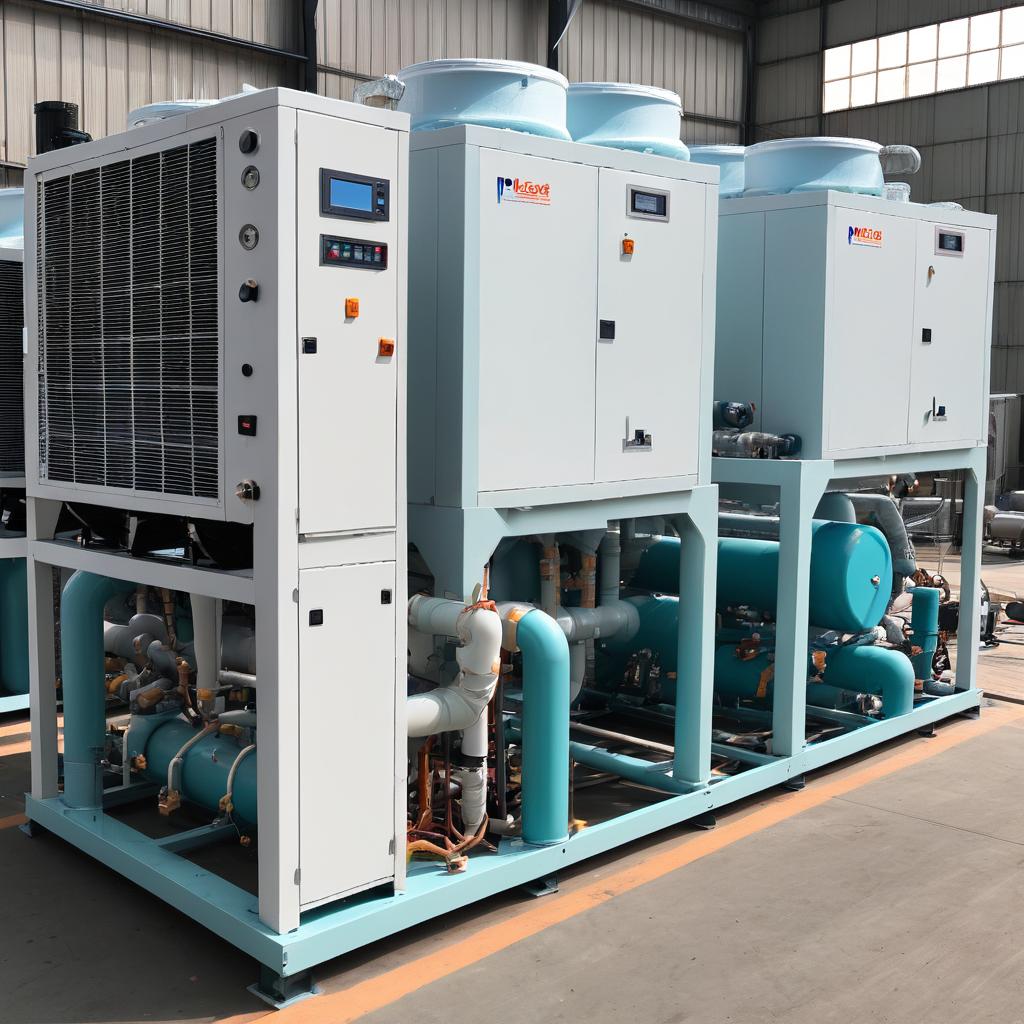
On the other hand, the Air Cooled Water Chiller provides a different approach to cooling. As the name suggests, this system uses air as the primary medium to remove heat from the water. The Air Cooled Water Chiller is furnished with fans that blow air over the condenser coils, causing the refrigerant to release heat to the outside environment. This type of chiller is generally used in smaller buildings or areas where water supply might be limited.
The Air Cooled Water Chiller is easier to install and requires less maintenance than its water-cooled counterpart. It does not need a cooling tower or a large amount of water, making it more suitable for locations where water conservation is a priority. However, air-cooled chillers are typically less efficient than water-cooled systems and may have higher operating costs due to the need for more frequent cleaning and servicing.
Comparing Water Cooled and Air Cooled Systems
When comparing the Water Cooled Chiller System to the Air Cooled Water Chiller, different factors need to be considered. Efficiency is a major consideration. Water-cooled chillers are generally more efficient because water can absorb and transfer heat more effectively than air. This efficiency translates into lower energy costs and a smaller carbon footprint, making water-cooled systems a more environmentally friendly option.
Installation and maintenance are also important factors. The Water Cooled Chiller System is more complex and requires a reliable water source, which can increase installation costs and maintenance requirements. In contrast, the Air Cooled Water Chiller is simpler to install and maintain, but its efficiency is lower, and it may require more frequent maintenance to makes sure the real performance.
Applications and Maintainability
The suitability of each system depends largely on the specific application and environmental conditions. For large industrial operations and facilities with enough water supply, the Water Cooled Chiller System is often the like better choice due to its superior efficiency and long-term cost savings. These systems are ideal for environments where precise temperature control is analytical, such as in manufacturing plants, data centers, and large commercial buildings.
Conversely, the Air Cooled Water Chiller is better flatter for smaller buildings or locations with limited water availability. These systems are commonly used in office buildings, retail spaces, and smaller industrial sites where the cooling demand is not as great, and water conservation is a priority. Their ease of installation and lower upfront costs make them an attractive option for many businesses and facilities.
Environmental Impact and Maintainability
In terms of environmental impact, both systems have their pros and cons. The Water Cooled Chiller System is more energy-efficient, which can lead to remarkable reductions in greenhouse gas emissions over time. However, it requires a continuous water supply, which can be a concern in areas where water resources are scarce. Proper management and maintenance are imporatnt to makes sure that these systems operate maintaianbly without depleting local water sources.
The Air Cooled Water Chiller, while less efficient, uses air for cooling, which does not strain water resources. This makes it a more maintainable option in regions where water is limited. However, the trade-off is higher energy consumption and potentially higher greenhouse gas emissions. Advancements in technology are continually improving the efficiency of air-cooled systems, making them a more viable option for maintainable cooling solutions.
Future Trends in Earth Cooling
Looking forward, the future of Earth Cooling is likely to see continued advancements in both Water Cooled Chiller Systems and Air Cooled Water Chillers. creativity bin materials, design, and technology are expected to increase the efficiency and maintainabilityt of these systems. For example, the integration of smart controls and IoT technology can optimize the performance of cooling systems, reducing energy consumption and operational costs.
Moreover, the growing emphasis on renewable energy sources and green building practices will drive the development of more eco-friendly cooling solutions. Hybrid systems that combine the best features of both water-cooled and air-cooled chillers are also emerging, providing a balanced approach to cooling that maximizes efficiency and maintainability.
Conclusion
In conclusion, Earth Cooling is an essential feature of modern living and industrial operations, with the Water Cooled Chiller System and the Air Cooled Water Chiller being key players in this domain. Each system has its unique advantages and limitations, making them suitable for different applications and environments. Understanding the differences between these systems is important for making informed decisions about cooling solutions that meet specific needs and contribute to environmental maintainability. As technology continues to evolve, the future of Earth Cooling looks promising, with creative solutions assured to increase efficiency and reduce environmental impact.
 Earth Cooling System