
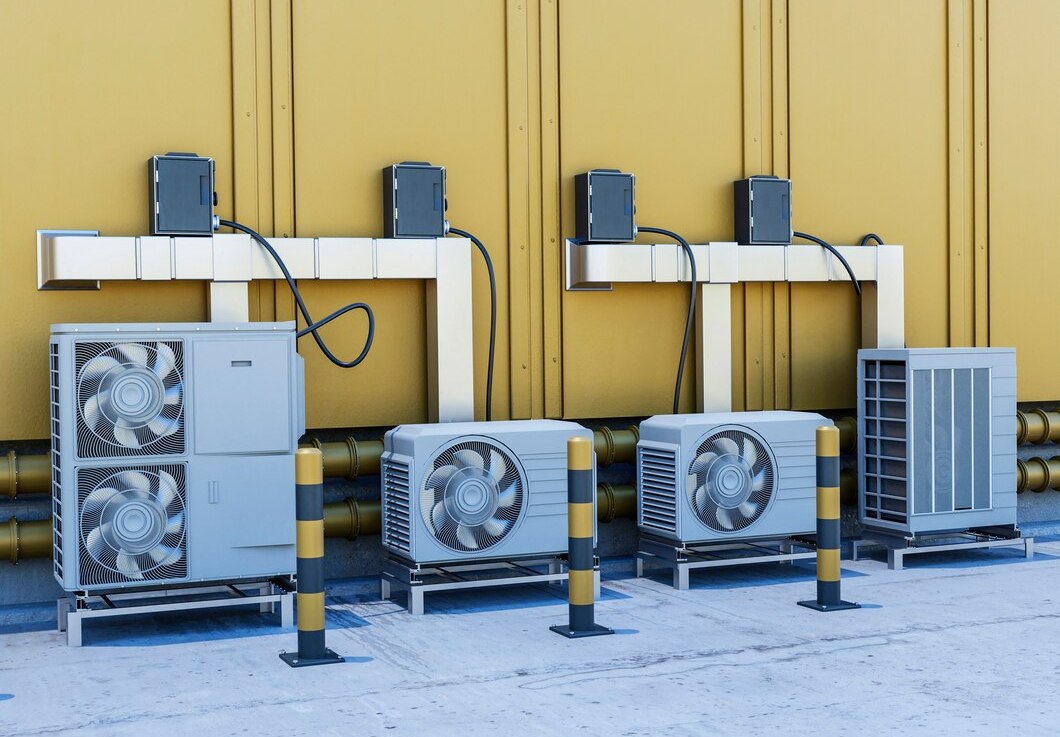
When it comes to maintaining the efficiency and reliability of industrial or commercial cooling systems, choosing the right air cooled chiller is critical. These systems play an important role in making sure the smooth operations across different sectors, including manufacturing, pharmaceuticals, food processing, and HVAC systems. However, with the variety of chillers available on the market, selecting the perfect fit can be overwhelming. This guide provides a detailed overview to help you make an informed decision.
Understanding Air Cooled Water Chiller
An air cooled chiller is a type of cooling system that uses air as the primary medium to dissipate heat. These systems are known for their compact design, easy installation, and cost-efficiency in areas where water resources are limited or expensive. Unlike their counterparts, which rely on water to cool the condenser, air cooled chillers depend on fans to transfer heat into the surrounding air.
Typically, air cooled chillers are used in applications where cooling requirements are moderate and water availability is a concern. They are ideal for regions with dry climates or for installations where water conservation is a priority. The minimal maintenance requirements and longer lifespan of these chillers make them an attractive choice for many businesses.
Factors to Consider When Selecting an Air Cooled Water Chiller
Choosing the right air cooled chiller involves evaluating different factors that influence the system’s performance and suitability for your specific needs.
1. Cooling Capacity
The cooling capacity of a chiller is one of the primary aspects to consider. Measured in tons or kilowatts, this parameter indicates the amount of heat the chiller can remove in a given time. To determine the required cooling capacity, evaluate the heat load of your process or facility, accounting for variables like operating temperatures, equipment heat generation, and environmental conditions.
2. Energy Efficiency
Energy efficiency plays an important role in minimizing operating costs and reducing environmental impact. Look for chillers with high Energy Efficiency Ratios (EER) or Coefficients of Performance (COP). Modern chillers are often furnished with variable-speed compressors and advanced control systems that optimize energy use under varying load conditions.
3. Installation Space and Environmental Conditions
Air cooled water chiller are often installed outdoors due to their reliance on air for heat dissipation. Consider the available space and make sure the location has adequate airflow to avoid overheating. Noise levels should also be taken into account, particularly for installations near residential areas or noise-sensitive facilities.
4. Maintenance and Operational Costs
While air cooled chillers generally require less maintenance than their water cooled counterparts, routine cleaning of filters, fins, and fans is needed to maintain optimal performance. Assess the long-term operational costs, including electricity consumption, repair expenses, and part replacements, to make sure the chiller aligns with your budget.
5. Reliability and Durability
Investing in a high-quality, reliable chiller is important to avoid frequent downtime and costly repairs. Choose a system from a reputable manufacturer that provides complete warranties and strong after-sales support.
Comparing Air Cooled Water Chiller and Water Cooled Screw Chiller
While air cooled chillers are a popular choice for many industries, water cooled chillers also provides the unique advantages. Understanding the differences between these two systems can help you decide which is best for your application.
Water cooled screw chiller use water to cool the condenser and often depend on a cooling tower for heat rejection. These systems are typically more energy-efficient than air cooled chillers, especially in large-scale or high-capacity installations. However, they require a consistent water supply and additional infrastructure, such as pumps and towers, which can increase initial setup costs and maintenance requirements.
On the other hand, air cooled chillers are more straightforward to install and operate, making them a cost-effective choice for smaller facilities or locations where water resources are scarce. The decision between these two options will ultimately depend on your cooling needs, budget, and site conditions.
Applications of Air Cooled Chiller
Air cooled chillers are versatile and find applications across various industries. They are commonly used in:
- Industrial processes: Cooling machinery and equipment in manufacturing plants.
- HVAC systems: Maintaining comfortable indoor temperatures in commercial buildings.
- Medical and pharmaceutical industries: Preserving sensitive products and cooling medical equipment.
- Food and beverage processing: Making sure the real temperatures for production and storage.
The adaptability and efficiency of air cooled chillers make them a preferred choice for businesses aiming to increase their operational efficiency while keeping costs under control.
The Growing Demand for Air Cooled Chiller in India
India’s industrial and commercial sectors have witnessed major growth in recent years, leading to increased demand for efficient cooling solutions. The use of air cooled chiller in India has grown rapidly due to their cost-effectiveness, minimal water usage, and suitability for different applications.
As environmental concerns and water conservation effort
ts gain prominence, businesses across India are increasingly opting for air cooled chillers to meet their cooling needs. This trend is further supported by advancements in chiller technology, such as improved energy efficiency, smart controls, and reduced carbon footprints.
Tips for Buying the Right Air Cooled Water Chiller
To ensure you choose the right chiller for your needs, work with a trusted supplier who can provide expert guidance and support throughout the selection process. A thorough assessment of your cooling requirements, combined with a detailed analysis of product specifications, can help you identify the best solution. Additionally, consider the total cost of ownership rather than focusing solely on the initial purchase price.
Conclusion
Selecting the perfect air cooled water chiller for your business involves balancing different factors, including cooling capacity, energy efficiency, operational costs, and environmental considerations. By understanding your specific needs and comparing options like water cooled screw chiller, you can make an informed decision that supports your long-term operational goals.
For businesses in India and over, the rising popularity of air cooled chillers reflects their practicality and versatility in a huge range of applications. Whether you’re upgrading your existing system or investing in a new one, partnering with a reliable supplier makes sure that you receive a high-quality product that provides the consistent performance.
If you’re looking for expert advice and high-quality air cooled chillers, contact us today. Our team is dedicated to providing customized cooling solutions that meet your unique needs while promoting efficiency and maintainability.
 Earth Cooling System